
What Is a Luxury Custom Home Builder? A Simple Guide
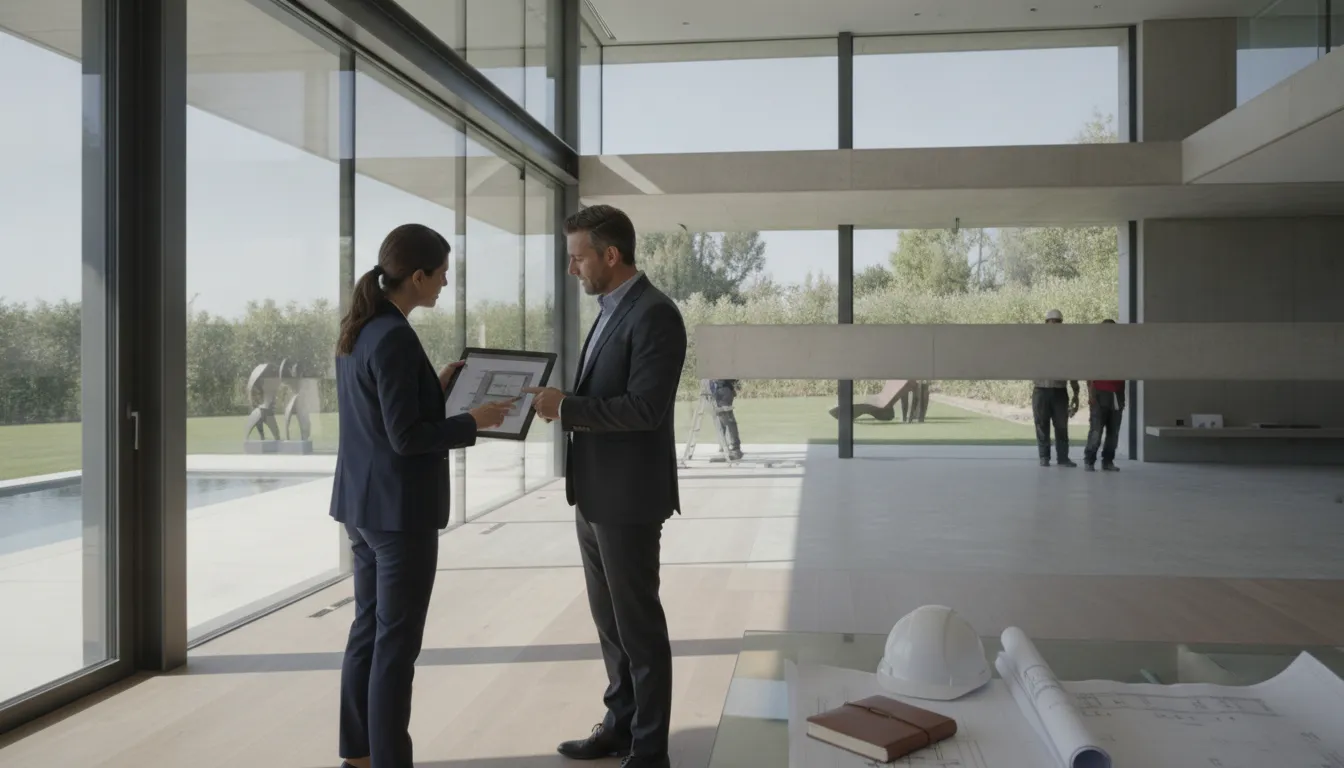
You have a vision for your home. It’s in your saved photos, your daydreams, and your conversations about the future. The biggest question is how to turn that vision into a physical reality without making costly mistakes along the way. This is where the right partner comes in. A luxury custom home builder doesn’t just construct houses; they translate your unique lifestyle and personality into a functional, beautiful space. This article will show you how to find that partner and what to expect from the collaborative process of creating a home that is truly yours.
Key Takeaways
- Look Beyond the Lowest Bid: Your builder is a long-term partner, not just a contractor. Prioritize their portfolio, communication style, and proven experience to ensure you're investing in quality craftsmanship and a collaborative process.
- Define Your Own Luxury: A luxury home isn't just about square footage; it's about high-quality materials, a unique architectural design, and features that fit your life perfectly. Focus on the details that make a house feel personal and built to last for generations.
- Do Your Homework Upfront: The most successful projects are built on a strong foundation of planning. Take time to define your vision, thoroughly vet potential builders, and insist on a detailed contract to prevent expensive changes and delays later on.
What Is a Luxury Custom Home Builder?
When you hear the term "luxury custom home builder," it’s easy to picture sprawling mansions with every imaginable amenity. While that can be true, at its core, a luxury custom home builder is a partner who specializes in creating high-end, one-of-a-kind homes tailored specifically to you. Think of them as the artisans of the building world. They don’t just build houses; they craft residences that are a true reflection of your personality, needs, and lifestyle.
This process goes far beyond picking from a few pre-set floor plans. A luxury builder focuses on unique architectural styles and incorporates exclusive features that make a house your home. This could mean sourcing reclaimed wood for your floors, designing a custom wine cellar, or integrating state-of-the-art smart home technology. The entire experience is collaborative. You’re not just a client; you’re a co-creator in a process designed to bring your vision to life, ensuring every detail, from the custom cabinetry to the high-end appliances, is exactly as you imagined. The goal is to create a space that is not only beautiful but also deeply personal and functional for your family.
How Are They Different from a Traditional Builder?
The biggest difference between a luxury custom builder and a traditional or production builder comes down to two things: materials and personalization. Traditional builders often work with a set of pre-designed plans and use standard-grade materials to keep costs down and timelines short. This approach is efficient, but it leaves little room for personal touches.
A luxury builder, on the other hand, prioritizes premium-grade materials chosen for their beauty and durability. More importantly, they offer truly personalized design options. You’ll collaborate directly with architects and designers to create a floor plan from scratch, ensuring every room flows exactly how you want it to. This hands-on approach means your home won’t look like any other on the block; it will be a unique space built to your exact specifications.
What Does a Design-Build Firm Do?
A design-build firm takes the luxury custom home experience a step further by providing a seamless integration of design and construction services all under one roof. Instead of you having to hire an architect, then a separate builder and interior designer, a design-build firm provides a single, cohesive team that works together from the very first sketch to the final walkthrough.
This integrated approach is a game-changer. It means the design and construction teams are collaborating from day one, which helps prevent miscommunications, leads to more accurate budgeting, and results in a much smoother building process. Your team will have extensive experience with local building codes and permitting, handling the complex logistics so you can focus on the exciting decisions. Ultimately, it ensures that the creative vision for your home is executed flawlessly.
What Makes a Custom Home "Luxury"?
The word "luxury" can bring to mind different things, but in the world of custom homes, it means more than just a high price tag. A luxury home is defined by superior quality, deep personalization, and an exceptional building experience from start to finish. It’s about creating a space that is not only beautiful but also perfectly tailored to your lifestyle, built with the best materials, and designed to last for generations. It’s a home where every detail, from the foundation to the front doorknob, has been thoughtfully considered and expertly executed. Let’s look at the key elements that truly define a luxury custom home.
High-Quality Materials and Finishes
One of the most tangible aspects of a luxury home is the quality of the materials. This goes far beyond surface-level aesthetics. Luxury builders select premium-grade materials to ensure the home is not only stunning but also durable and built to last. Think solid hardwood floors instead of laminates, natural stone countertops like marble or quartzite, and high-end appliances that blend performance with design. It’s about choosing components that feel substantial and perform beautifully over time. This commitment to quality is evident in every room, from the custom cabinetry in the kitchen to the solid-core doors and designer light fixtures that complete the space.
A Truly Custom Architectural Design
A true luxury home is entirely unique. It’s not a slightly modified floor plan from a catalog; it’s a one-of-a-kind home designed specifically for you and the piece of land it will sit on. The architectural design process is a collaborative journey between you and your design-build team. The layout is crafted around your family’s daily routines, your hobbies, and how you love to entertain. The home’s orientation might be planned to capture the best natural light or to frame a perfect view. Every angle, every room, and every transition is a reflection of your personal vision, resulting in a home that is genuinely yours and unlike any other.
Integrated Smart Home Technology
In a modern luxury home, technology is seamlessly woven into the fabric of the house itself. It’s not about having a few smart gadgets; it’s about a fully integrated system that makes your home more comfortable, efficient, and secure. Imagine lighting that adjusts automatically throughout the day, a climate control system you can manage from your phone, and a security system that gives you peace of mind. The best builders work with custom integrators early in the design phase to ensure all wiring and hardware are hidden, creating a clean, intuitive living environment where technology enhances your life without cluttering it.
Thoughtful, Sustainable Building
Today, luxury and sustainability go hand in hand. A thoughtfully designed custom home is also an efficient and environmentally conscious one. Many custom builders are embracing green building techniques that reduce a home's environmental impact and lower long-term utility costs. This can include installing solar panels, using high-efficiency insulation to maintain comfortable temperatures, choosing water-saving appliances and fixtures, and building with renewable or recycled materials. Building a sustainable home is a forward-thinking investment that adds value and shows a commitment to responsible living, proving that luxury can be both beautiful and smart.
Timeless Design Trends to Consider
While trends come and go, luxury design focuses on timeless principles that ensure your home remains stylish and functional for years to come. The enduring appeal of open floor plans continues to be a hallmark of luxury homes, creating a sense of spaciousness and flow. Other timeless features include creating a seamless connection between indoor and outdoor living spaces, designing spa-like primary bathrooms for relaxation, and incorporating dedicated spaces for work or hobbies. The goal is to create a home that feels current yet classic, avoiding fleeting fads in favor of enduring style and comfort that will suit your family for decades.
How Much Does a Luxury Custom Home Cost?
Pinning down the exact cost of a luxury custom home is a bit like asking how much a piece of art costs; the answer is, it depends entirely on what you create. The final price tag is a reflection of your unique vision, shaped by countless decisions made along the way. While there isn't a simple price-per-square-foot formula, understanding the key factors that influence the budget is the first step toward planning your project with confidence. A great design-build partner will provide transparency from the very beginning, helping you see how every choice, from the land you build on to the faucets you choose, affects the bottom line. Let's walk through the main components that will shape your custom home budget.
Factoring in Location, Size, and Complexity
The three biggest drivers of your project's cost are where you build, how big you build, and how complex the design is. Your builder can help you evaluate potential sites, looking at critical factors like soil conditions, topography, and access to utilities. A sloped lot with beautiful views might require a more expensive foundation, while a flat, clear lot might be simpler and more affordable to prepare for construction. Size is another straightforward factor; a larger home requires more materials and labor. Beyond simple square footage, architectural complexity matters. A clean, modern rectangle is less expensive to build than a home with intricate rooflines, curved walls, and other custom structural features that demand specialized engineering and craftsmanship.
The Impact of Materials and Custom Finishes
This is where your personal style truly comes to life, and it’s also where the budget can vary significantly. The difference between a "custom home" and a "luxury custom home" often lies in the quality and uniqueness of the materials and finishes. Think about the difference between standard builder-grade windows and oversized, custom-milled ones, or the choice between laminate flooring and wide-plank white oak. True luxury is found in the details that make a house feel personal and thoughtfully curated. Elements like custom cabinetry, bold textures, statement lighting, and high-end appliances are what turn a home into a masterpiece. Your design-build team will help you explore these options, balancing your aesthetic goals with your financial plan.
Planning for Hidden Costs and Contingencies
One of the most important parts of any construction budget is the part you hope you never have to use: the contingency fund. No matter how carefully you plan, unexpected issues can arise. Material prices can fluctuate, a permit might take longer than expected, or the excavation crew might discover challenging soil conditions. Failing to plan for these possibilities is a common custom home mistake. A contingency fund is a portion of your budget, typically 10% to 20% of the total construction cost, set aside for these surprises. An experienced builder will insist on this. By discussing potential risks and planning for them upfront, you can move through the process with peace of mind, knowing you are prepared for whatever comes your way.
What to Expect from the Custom Home Building Process
Building a custom home is one of the most rewarding projects you can undertake. It’s a journey of turning your unique vision into a place you’ll love for years to come. While it might seem complex, the process is actually a series of clear, manageable steps. When you partner with a design-build firm, you get a cohesive team that guides you from the first sketch to the final walkthrough, ensuring your vision and the construction process are always perfectly aligned. This integrated approach helps prevent the disconnect that can happen when designers and builders work separately, leading to smarter planning and a smoother execution of your dream home.
Think of it as a collaborative adventure. Your builder brings decades of experience, industry relationships, and a deep understanding of everything from local building codes to the best local craftspeople. You bring your personality, your lifestyle needs, and your dreams for the space. Together, you’ll move through four main phases: defining your vision, securing the perfect spot, designing the details, and bringing it all to life through construction. Each step builds on the last, creating a seamless path from idea to reality. Let’s walk through what you can expect at each stage.
Step 1: The Initial Consultation and Vision
This first step is all about you. The initial consultation is a conversation where you get to share all your ideas, inspiration, and must-haves. Bring your Pinterest boards, magazine clippings, and daydreams. This is where you’ll talk about how you live your life. Do you love to host big family dinners? Do you need a quiet home office? Are you dreaming of a spa-like bathroom? Your builder’s job is to listen and ask the right questions to truly understand your goals.
During this phase, you’re not just sharing ideas; you’re gaining a partner. A great builder uses their experience to help you refine your vision and see what’s possible. They translate your desires into a tangible direction, setting the foundation for a home that is both beautiful and perfectly suited to your lifestyle.
Step 2: Choosing Your Lot and Making Key Decisions
Before you can design your home, you need to know where it will stand. If you don’t already have land, your builder can be an invaluable resource in helping you find the perfect lot. Their expertise is crucial for evaluating potential sites, as they can assess important factors you might not consider, like topography, soil conditions, and access to utilities.
These elements can significantly impact your home’s design and the overall construction cost. For example, a sloped lot might be perfect for a walk-out basement, while certain soil types may require a specific foundation. Your builder will help you understand these nuances, ensuring you choose a piece of land that aligns with your vision and budget. This is also the stage where you’ll start making key high-level decisions that will guide the next phase of design.
Step 3: Designing Your Home Together
This is where your vision truly starts taking shape. Working with a design-build firm means you’ll collaborate directly with architects, designers, and the construction team all at once. This synergy is one of the biggest advantages of the custom home process. It ensures that every creative idea is grounded in practical, buildable reality. You’ll work together to create a floor plan that flows with your daily life and select finishes that reflect your personal style.
From the room layouts and window placements to the cabinet hardware and light fixtures, every detail is an opportunity for personalization. The collaborative design process ensures that the home is not only stunning but also highly functional and tailored to you. Your team will produce detailed blueprints and 3D renderings, allowing you to see and feel your home before construction even begins.
Step 4: Construction and Quality Checks
With a solid plan in hand, it’s time to break ground. This is the phase where all the planning and design work comes to life. Your builder will manage every aspect of the construction, from coordinating skilled subcontractors to overseeing the schedule and budget. Because the design and construction teams are integrated, there’s a shared understanding of the project’s goals, which helps prevent costly miscommunications and ensures a high standard of quality.
Throughout the build, your team will conduct regular quality checks to make sure every detail meets exacting standards. You’ll have scheduled site visits to see the progress and make timely decisions along the way. This transparent and organized approach keeps the project moving forward smoothly, culminating in a final walkthrough where you get the keys to your beautifully crafted, one-of-a-kind home.
7 Things to Look for in a Luxury Custom Home Builder
Choosing a builder is one of the most significant decisions you'll make on your journey to creating a custom home. This isn't just about hiring a contractor; it's about finding a partner you can trust to bring your vision to life. The right builder will act as your guide, your advocate, and your expert, making the entire process feel collaborative and exciting. A great partnership is built on a foundation of trust, clear communication, and shared expectations.
As you start meeting with potential builders, it’s helpful to have a clear framework for evaluating them. Think of it as a checklist to ensure you’re covering all your bases. You want to find a team that not only has the technical skill to execute your project but also aligns with your personal style and values. From their past work to the way they handle contracts, every detail matters. Here are seven key things to look for to help you find the perfect fit for your dream home project.
1. A Strong, Relevant Portfolio
A builder’s portfolio is your first real glimpse into their work. It’s more than just a collection of pretty photos; it’s a testament to their design aesthetic, quality of craftsmanship, and attention to detail. As you review their past projects, look for consistency and a high standard of execution across different homes. Does their style resonate with you? Can you see your own vision reflected in their work? A top-tier builder will have a diverse portfolio that showcases their ability to handle various architectural styles and unique challenges. This demonstrates their creative range and ability to deliver thoughtful, refined spaces for different clients.
2. Clear and Consistent Communication
Effective communication is the bedrock of a successful custom home build. From the very first meeting, pay close attention to how the builder interacts with you. Do they listen to your ideas? Are they responsive to your questions? A great builder will establish a clear communication plan from the start, so you always know who to contact and when to expect updates. A lack of clear and consistent communication is a common pitfall that can lead to misunderstandings and frustration. You’re building a long-term relationship, so you want a partner who is transparent, accessible, and committed to keeping you informed every step of the way.
3. Proper Licensing and Insurance
This point is non-negotiable. Before you get too far into discussions, confirm that the builder holds all the necessary licenses and insurance. Proper licensing ensures they are compliant with local building codes and industry standards, while comprehensive insurance protects you from financial liability in case of accidents or property damage during construction. A professional and trustworthy builder will be upfront about their credentials and should have no problem providing you with copies of their licenses and insurance certificates. Think of it as essential due diligence that safeguards your investment and provides peace of mind.
4. Proven Experience with Quality Materials
A luxury home is defined by the quality of its materials and the skill with which they are assembled. A seasoned builder will have deep knowledge of high-end materials, finishes, and construction techniques. They should be able to guide you through your options, explaining the benefits and costs associated with different choices. Be wary of builders who offer a figure that sounds too good to be true. An experienced builder will be transparent about the true cost of superior work and will help you make informed decisions that align with both your vision and your budget, ensuring a beautiful and durable result.
5. A Detailed Contract and Clear Timeline
A vague contract is a major red flag. Your builder should provide a comprehensive agreement that clearly outlines every detail of the project. This includes the full scope of work, a detailed budget with pricing assumptions, a payment schedule, and a realistic construction timeline with key milestones. This level of detail ensures everyone is on the same page and minimizes the risk of unexpected costs or delays. The preconstruction phase should result in deliverables you can hold, giving you a solid plan to reference throughout the build. This document will be your roadmap for the entire project.
6. A Solid Warranty and Post-Build Support
The relationship with your builder shouldn’t end the day you get your keys. A reputable luxury builder will stand behind their work with a solid warranty. Ask potential builders about the specifics of their warranty program, including what is covered and for how long. This warranty is your assurance that any issues that arise after you move in will be addressed promptly. Excellent post-build support is a sign of a builder who is committed to quality and long-term client satisfaction. It shows they are invested in the lasting success of your home, not just the completion of the project.
7. Glowing Client References
One of the best ways to gauge a builder’s reputation is to speak with their past clients. A confident builder will be happy to provide you with a list of references. Don’t be shy about reaching out to them. Ask about their overall experience, how the builder handled challenges, and whether the project stayed on budget and on schedule. Inquiring about their experience can give you a real sense of what it’s like to work with the team. As experts at Onyx and Oak Homes note, a builder with a great track record will be proud to share it.
Common Mistakes to Avoid When Building a Custom Home
Building your dream home is an exciting journey, but it’s also a complex project with a lot of moving parts. Knowing what to watch out for can make the entire process smoother and more enjoyable. When you’re aware of the common pitfalls, you can sidestep them with confidence and keep your project on track. From choosing your partner to finalizing the plans, a little foresight goes a long way. Let’s walk through some of the most frequent mistakes homeowners make so you can be prepared.
Choosing a Builder Based on Price Alone
It’s tempting to look at bids and immediately gravitate toward the lowest number, but this is one of the biggest mistakes you can make. A builder is more than just a contractor; they are your partner and guide through one of the most significant investments of your life. An unusually low price can be a red flag for subpar materials, inexperienced labor, or a business that cuts corners. Remember, you’re not just paying for construction. You’re investing in expertise, project management, and peace of mind. The right design-build firm will provide value that far exceeds the initial price tag, ensuring a high-quality home and a positive experience.
Rushing Through Research and Planning
The dream of moving into your new home can make you want to speed through the early stages, but rushing the planning phase is a recipe for regret. This initial period is when you solidify your vision, establish a realistic budget, and make foundational decisions that will impact the entire project. Overlooking details or failing to do your homework can lead to expensive change orders and frustrating delays down the road. Take your time to think through what you truly want and need in a home. A great builder will encourage this thoughtful approach and work with you to create a detailed plan before a single shovel hits the ground.
Ignoring Early Red Flags
When you’re meeting with potential builders, pay close attention to your intuition. If something feels off, it probably is. Red flags can be subtle, like vague answers to specific questions, or more obvious, like a lack of transparency about their process or pushy sales tactics. A builder who can’t provide a list of happy client references or seems disorganized during your initial conversations is giving you a preview of what’s to come. Don’t dismiss these feelings. The relationship with your builder is a long-term commitment, and you need to feel comfortable, respected, and confident in their ability to deliver on their promises from the very first interaction.
Not Prioritizing Communication
Clear, consistent communication is the backbone of a successful custom home project. A breakdown in communication can lead to misunderstandings about design choices, budget overruns, and a final product that doesn’t quite match what you envisioned. Before you sign a contract, ask a potential builder about their communication process. How often will you have meetings? Who will be your primary point of contact? How are decisions and changes documented? A professional builder will have a structured system to keep you informed and involved. This commitment to open dialogue ensures that you and your building team are always aligned, turning a potentially stressful process into a collaborative partnership.
Is This Custom Home Builder the Right Fit for You?
Choosing a custom home builder is one of the most significant decisions you'll make in this process. It’s not just about finding someone who can build a house; it’s about finding a partner you trust to bring your vision to life. This relationship requires clear communication, shared values, and mutual respect. Think of it like an interview where you’re both deciding if it’s a good match. To help you feel confident in your choice, pay attention to the questions you ask, the positive signs you see, and any gut feelings that tell you to walk away.
Key Questions to Ask Potential Builders
When you meet with potential builders, having a list of questions ready will help you compare them effectively. Start by asking for references from previous clients. A builder with a great reputation will be happy to connect you with past homeowners. You should also ask about their communication style. How will they keep you updated on progress, timelines, and budget? A great partner will have documented systems for tracking schedules and decisions, not just verbal promises. Finally, ask about their team and the subcontractors they work with to understand who will be responsible for every detail of your home.
Green Flags That Signal a Great Partnership
As you talk with builders, look for positive signs that point to a strong partnership. A major green flag is when a builder has a deep understanding of both design and construction. This integrated approach helps prevent disconnects between the architectural plans and the final build. Another great sign is a portfolio filled with homes similar in style and complexity to what you envision. A builder’s past work gives you a clear window into their creativity, craftsmanship, and consistency. If they listen intently to your ideas and offer thoughtful suggestions, you’re likely on the right track to finding a true collaborator.
Red Flags That Mean You Should Walk Away
Just as important as spotting green flags is recognizing the red ones. If a builder’s main selling point is that they are the cheapest option, be cautious. Choosing a builder based on price alone is one of the most common regrets for homeowners. Also, pay close attention to how they answer your questions. Vague responses, an unclear contract, or a lack of transparency are serious warning signs. If something feels off during your initial meetings, trust your intuition. A pushy attitude or an unwillingness to provide clear details upfront could signal bigger problems down the road.
More Than Just New Builds
When you hear “custom home builder,” you probably picture a team constructing a brand-new house on an empty plot of land. While that’s certainly a big part of what they do, a luxury builder’s expertise extends far beyond new construction. Many specialize in significant renovations, home additions, and transformative outdoor projects that require the same level of detail and design integrity as a new build. The goal is always to create a space that feels uniquely yours, whether you’re starting from scratch or reimagining your current home.
The key is finding a partner who truly understands high-level design. A builder with a strong design-build approach helps prevent the kind of disconnect that can happen when an addition feels tacked on or a renovation clashes with the home’s original character. As the experts at Fratantoni Luxury Estates note, this kind of early collaboration leads to smarter planning, more accurate budgets, and a much smoother execution. By managing both the design and construction phases, a design-build firm ensures your vision is carried through from the first sketch to the final walkthrough, creating a seamless and beautiful result.
Creating Cohesive Home Additions
Adding a new wing, a second story, or even just a sunroom requires a delicate balance. You want the new space to feel fresh and exciting, but it also needs to blend flawlessly with your existing home’s architecture and style. A successful home addition feels like it was always meant to be there. This is where a design-build team shines, carefully considering everything from rooflines and window styles to interior flow and material palettes to create a truly integrated space.
These additions are also an opportunity to incorporate features that cater to your lifestyle. Many homeowners are requesting high-end amenities like custom wine cellars, home gyms, or chef-inspired kitchens that turn everyday routines into a pleasure. To tie it all together, a clean and intentional design approach works wonders. The simple elegance of minimalist design, with its uncluttered spaces and focus on function, can create a sense of calm and refinement that flows beautifully from the original structure into the new addition.
Crafting Custom Outdoor Living Spaces
Your property doesn’t end at your back door. A thoughtfully designed outdoor area can become one of the most-loved parts of your home, acting as a private retreat for relaxing and a beautiful backdrop for entertaining. The modern approach to outdoor living is all about creating a seamless transition from the inside out. Using consistent design elements like matching flooring and a cohesive color scheme helps blur the lines between your interior and exterior, making your home feel more expansive and connected to nature.
Today’s outdoor spaces are more functional than ever. With advances in technology like motorized screens and sophisticated weather protection, you can create a comfortable environment that adapts to the seasons. Beyond the classic patio and grill, homeowners are also creating dedicated spaces for wellness and self-care. Imagine a quiet corner for meditation, a private reading nook, or even a spa-inspired bathroom that opens into a secluded garden. These custom features transform your yard into a true extension of your luxury living space.
How to Get Started on Your Custom Home
Thinking about building a custom home is incredibly exciting, but it can also feel a little overwhelming. Where do you even begin? The good news is that the process is much more manageable when you break it down into clear, actionable steps. Your journey starts long before the first wall goes up; it begins with your vision and finding the right team to bring it to life. A great design-build firm will act as your guide, helping you make smart decisions from the very start. Let’s walk through the first few steps to get you on the right path.
Define Your Vision and Needs
Before you talk to a builder, take some time to dream. Think about how you and your family truly live. Go beyond the number of bedrooms and bathrooms and consider your daily routines and lifestyle. Do you love hosting big dinner parties? Do you need a quiet home office? Is a mudroom essential for containing the chaos of kids and pets? Start a Pinterest board or a folder of images that capture the feeling you want your home to have. This initial vision is the most important tool you have. An experienced builder will want to understand not just *what* you want, but *why* you want it, ensuring your new home is a perfect reflection of you.
Find the Right Design-Build Partner
Choosing your builder is one of the most critical decisions you'll make. You’re not just hiring a contractor; you’re selecting a partner for a significant journey. Start by researching local design-build firms and reviewing their portfolios to see if their style aligns with yours. But don’t stop there. A beautiful portfolio is great, but a strong track record of happy clients is even better. Ask for references and be sure to follow up with them to learn about their experience. A reputable builder will be proud to connect you with past clients. Taking the time to carefully compare your options will make all the difference in the final craftsmanship of your home.
Select the Perfect Piece of Land
Your property is more than just an address; it’s the canvas for your custom home. The land you choose will influence everything from your home’s orientation to its architectural design. If you don’t already own a lot, your design-build partner can be an invaluable resource. A great builder will assist in evaluating potential sites, helping you look at factors you might not consider, like topography, soil conditions, utility access, and zoning regulations. This early collaboration ensures that the land you fall in love with can actually accommodate the home you dream of building, preventing costly surprises down the road.
Establish Clear Communication from Day One
A successful custom home project is built on a foundation of trust and clear communication. From your very first meeting, you should feel heard and respected. It’s important to establish a communication plan early on. Ask how progress will be shared, who your main point of contact will be, and how often you can expect updates. A great partnership works both ways, so be prepared to be clear about your expectations and voice any questions as they arise. By promptly addressing any concerns, you and your builder can work together to keep the project running smoothly from start to finish.
Frequently Asked Questions
How long does it typically take to build a custom home? While every project is unique, a good rule of thumb is to plan for at least 12 to 18 months from the initial design meeting to the day you get your keys. The design and planning phase can take several months on its own, as this is where you finalize every detail. The construction itself often takes a year or more, depending on the home's size, complexity, and even factors like weather. Your builder will provide a detailed timeline upfront so you know what to expect.
How involved will I need to be during the design and construction process? You are the most important member of the team, especially during the design phase. This is when your input is critical for creating a home that truly reflects you. Once construction begins, your design-build firm will handle the day-to-day project management, like scheduling subcontractors and overseeing the work. Your main role will be to attend scheduled site visits and make timely decisions on finishes and fixtures to keep the project moving forward smoothly.
What happens if I want to make a change after construction has started? It’s certainly possible to make changes during the build, but it’s important to understand the impact. Any deviation from the original plan will be handled through a formal document called a change order. This document will clearly state how the change affects the project's cost and timeline, and it must be approved by you before any new work begins. This is why we emphasize such a thorough planning phase, as it helps minimize these kinds of costly and time-consuming adjustments.
Can I use my own architect if I work with a design-build firm? The main advantage of a design-build firm is having a single, integrated team where the designers and builders collaborate from day one. This prevents the communication gaps that can occur when working with separate companies. While some firms may be open to collaborating with an outside architect, it can complicate the process. For the most seamless experience, it’s usually best to work with the cohesive team your design-build partner has already established.
Besides the construction cost, what other expenses should I plan for? It's wise to think beyond the main construction contract. Your budget should always include a contingency fund, which is typically 10% to 20% of the build cost, to cover any unexpected issues. Other costs to consider might include the purchase of the land itself, landscaping and irrigation, fencing, new furniture, and window treatments. Be sure to review your contract carefully to see what is included so you can plan accordingly for these finishing touches.